Showing posts with label Jewel beetle. Show all posts

Saturday, 30 January 2016

Top 10 Gatwick natural history highlights: 2015

Seeing as I'm desk-bound and continually procuring new strains of rhinopharyngitis previously unknown to medical science, this seemed a good time to round up my Gatwick wildlife highlights....

1. Black is back

One sunny morning early in the year; a stunning, entirely black Grass Snake...

Grass Snake (Natrix natrix)

It turned up on several occasions in the North West Zone, so fingers crossed it will make another appearance this coming spring.


Grass Snake - Natrix natrix subsp. persa?

Also hanging out with blackie was his unusually stripey pal... perhaps related to the European subspecies of Grass Snake, which are also striped. Some DNA swabbing and testing is hopefully in the pipeline....

2. Encounters of the fluffy kind


Hazel Dormouse (Muscardinus avellanarius)


Two of them!!! Found after around 3 years of surveying the ancient woodlands in the Land East of the Railway Line...

TICK.

3. Another Long-horned beastie

Long-horned General (Stratiomys longicornis) female - Photo by Andrew Halstead

On our Wildlife Recording Day back in May, along the River Mole, Andrew Halstead turned up our star find - an impressive soldierfly named the Long-horned General. This very scarce species is normally associated with coastal habitats and salt water, but a few have recently appeared in land-locked areas.


Andrew also swept our first Long-horned Bee (Eucera longicornis) of the year.

4. Tigers on our Jerseys
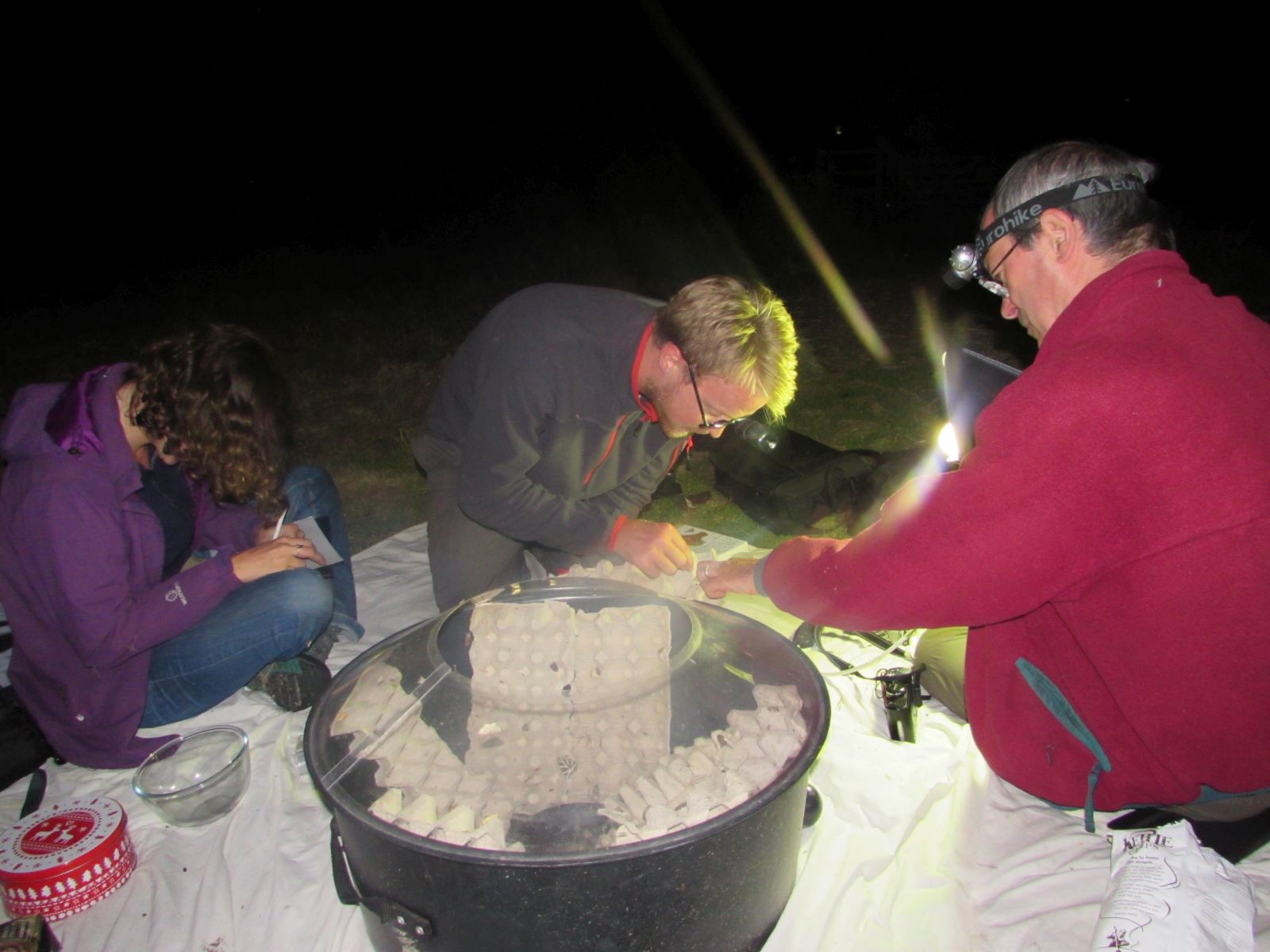

It was just another evening at Gatwick Moth Club with bickering, car-biscuits and male Glow-worms trying to mate with the green generator light. 


A massive Tiger Moth turned up suddenly on Brad's jumper, sparking off another, erm, discussion....

Jersey Tiger Moth (Euplagia quadripunctaria)

In the end we had to believe our eyes; not just one but two Jersey Tiger Moths at Gatwick Airport... A new tick for life-long moth-er Jake Everitt!

5. Ashley's new record

Grass Snake (Natrix natrix) Photo by Julia Gregory

It might just be a plain-ol' Grass Snake, but for us it was a landmark moment as this one had turned up in Ashley's Field... another first in 3 years! This is hopefully an indication that our grassland enhancements are paying off, with amphibians and reptiles benefiting.

6. Ninja bats

I spent a suspenseful dawn with Laurie Jackson, standing in the twilight with detectors on, awaiting bat re-entry into the roost at the old Charlwood Park Farmhouse...

Pipistrelle activity on a bat detector

We picked up plenty of activity and had great views of Long-eared bats landing up on the eastern side of the building, scurrying up and disappearing under the loose tiles. At least three different species of bat are using this building as a roost!

7. The Lost Jewel


Jewel Beetle (Agrilus sp.)

A bitter-sweet highlight (and one Scotty Dodd has not yet forgiven me for) was the time I let go of this stunning Jewel Beetle before he had identified it to species. Not matter that we also procured a carabid beetle called Amarus strenua (Red Data Book 3 species), which was probably even more interesting, so should more than make up for this.

Scotty's tentative i.d: Agrilus sp. indet. cf.bickerisabloodymindedliberator

But I think insult to injury were my rubbish photos.

8. Badger Badger Badger Badger


Just that one step closer to getting some good footage of Badger (Meles meles) at Gatwick.


A Work In Progress (like all of my photography).

9. My kind of human

Meath Green Primary School counting our nest boxes in the Dormouse Challenge

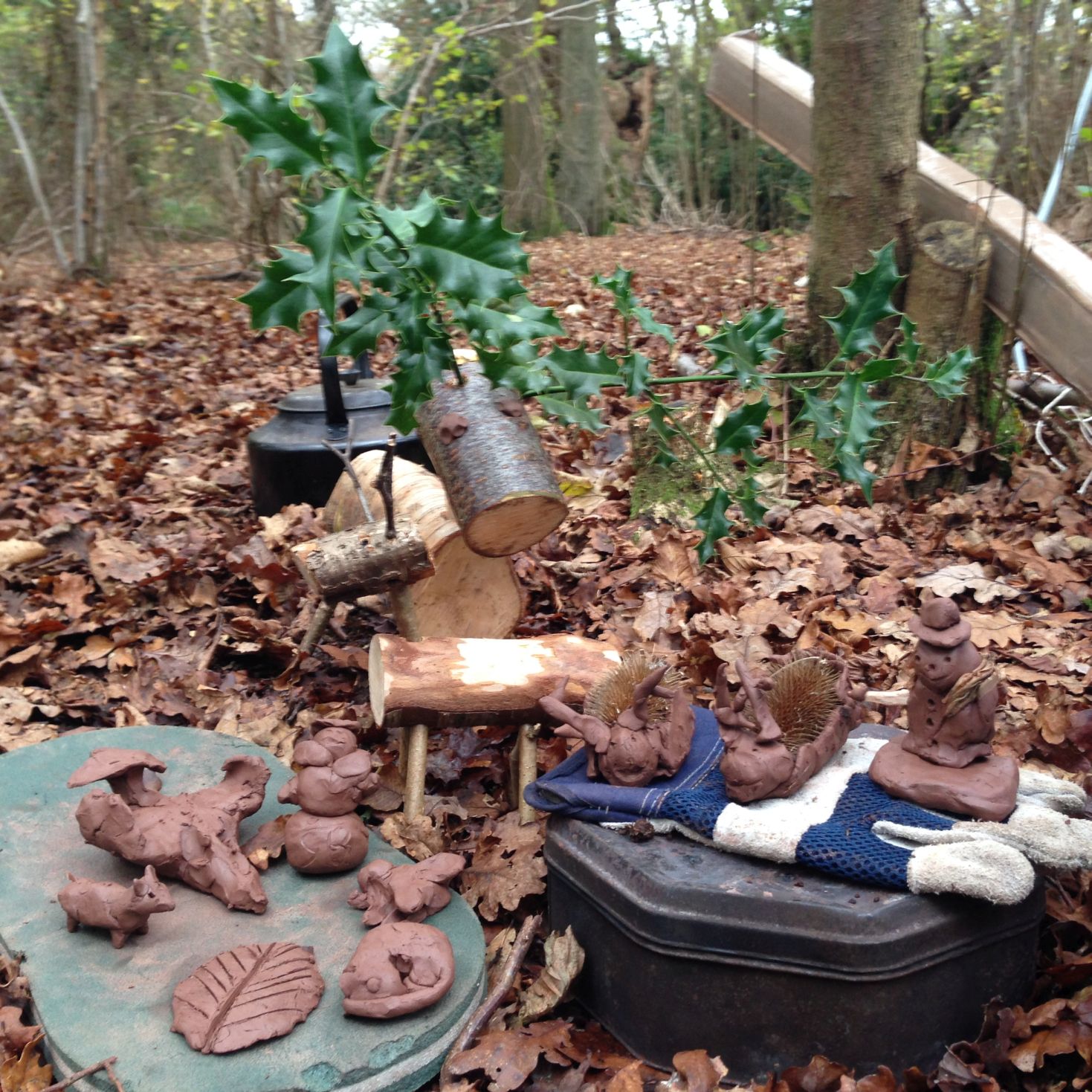
The Forest Schools are Tom Simpson's project, and I've really enjoyed meeting this keen bunch from Meath Green Primary. These tiny humans have been learning all about their surroundings in Gatwick's woodlands, east of the railway line.
   I wish I'd gone to this school!

Woodland festivities

10. The smallest of owls...


Undoubtedly one of my best moments was all the way back in February, while on a bird survey with Tom Forward. This was my first sighting of a Little Owl (Athene noctua) in the wild.
Is it very tiny, or just very far away... or perhaps a blurry picture of a lumpy branch?


Coming up in 2016: even more wildlife photography!

Friday, 26 June 2015

Early invertebrate survey (the one that got away)

Wet weather and blustery conditions means that winged insects struggle to fly, instead staying hunkered down low in vegetation or hidden away in nooks and crannies (I wish it was the same for us ecologists).

Land East of the Railway Line

Earlier in the month, on a rare day of both sun and stillness, Surrey Wildlife Trust entomologist Scotty packed up his van and invertebrate surveying kit, stopping by to see what is happening under the radar of all the tourists and jet-setters.

Preparing sample tubes

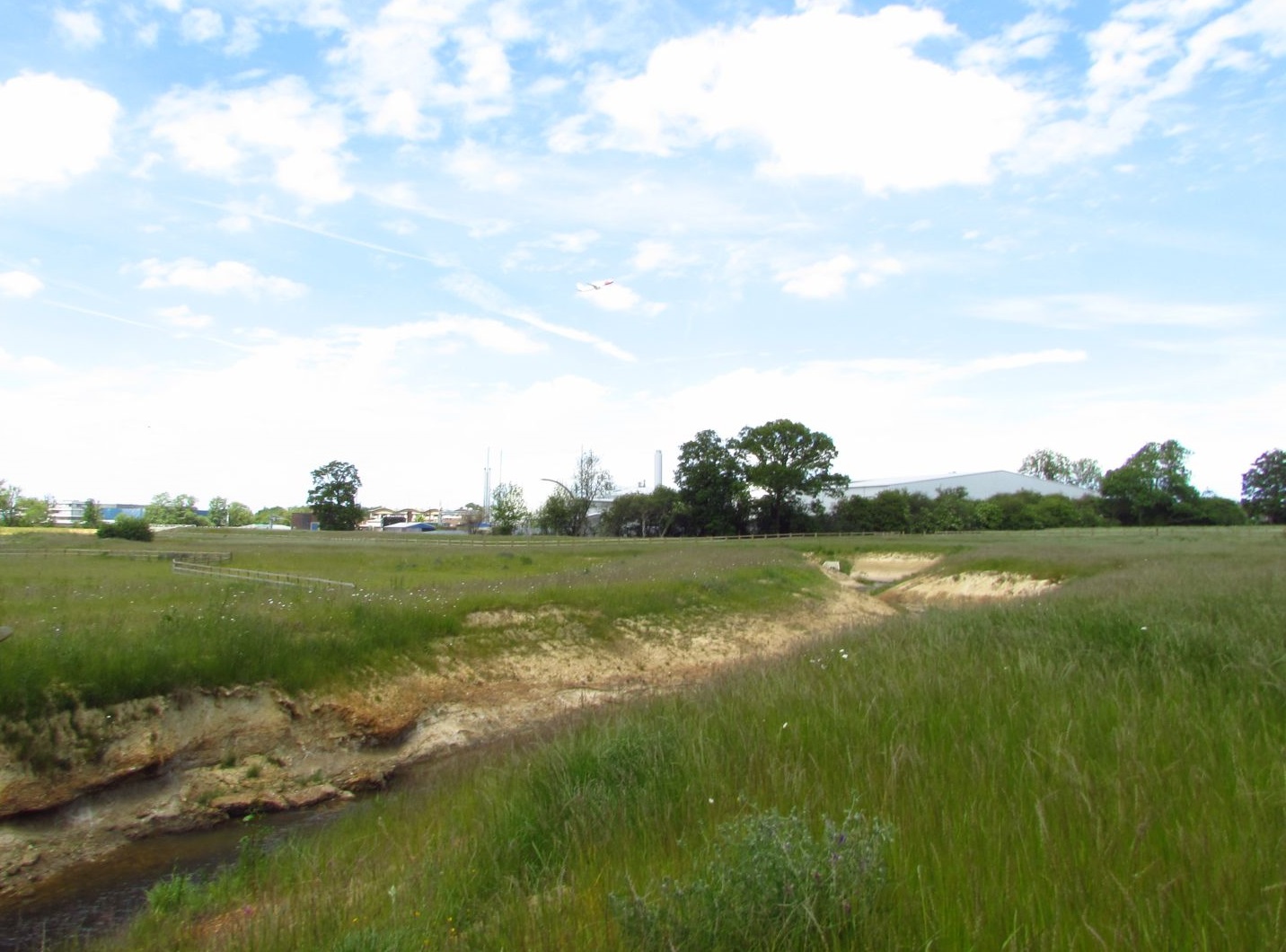
Our task today was to check out some habitats which were missed off the previous surveys and needed looking at more closely. We've been keen to get back out to the Gatwick Stream since the flood alleviation project has come to a close...

Gatwick Stream grasslands

Wetland scrape with Great Reedmace (Typha latifolia), Gatwick Stream grasslands

Now the floodplain has had a full season of vegging up, in places it is looking quite stunning (albeit with the odd random exotic plant species cropping up). As the vegetation advances, the invertebrate lifeforms also begin to recolonise...

Agelena labyrinthica - Labyrinth Spider on dewy web

Underside of a Long-Jawed Orbweaver (Tetragnatha sp.)

A species of large diving beetle (Colymbetes fuscus)

Red-headed Cardinal Beetle - Pyrochroa serraticornis

Invertebrates form the essential base of many food chains and so can be excellent indicators of habitat quality. By seeing what species are dominating or what is absent, we can judge the success of our habitat management, then in a few years time we resurvey to measure the progress.

Gatwick Stream channel with its sculpted clay cliffs

The Gatwick Stream banks are still yet to green up, but even bare clay is appealing to some lifeforms, creating an interesting habitat matrix, suiting mining bees, mason wasps and beetle species. Even some birds too...

Kingfisher burrow

Here we had a brief interlude for some ancient bottle-collecting along the banks. These must have been underground for some time and washed out during the river re-alignment works...

Early 20th centruy Tizer bottle. "That belongs in a museum" 

Indiana Jones moment passed, it was time to look more closely at the pollen and nectar-gathering species...


Bumblebees on Fodder Vetch (Vicia villosa). Most were workers of either the Buff-tailed or White-tailed variety, as well as Tree Bumblebee

Corizus hyoscyami, aka the Cinamon Bug, or Squash Bug, or Scentless Plant Bug. 
(The perils of common names for invertebrates)

Over to another grassland area; Ashley's Field which is the subject of our green hay strewing project and home to our Honey Bee apiary, aka the 'Gatsbees'...

Ashley's Field - perhaps a little heavy on the Buttercup

Hitch-hiker: another Long-jawed Orbweaver

Into Upper Picketts Wood our the way to Goat Meadow, we stopped off to take a closer look at the understory.


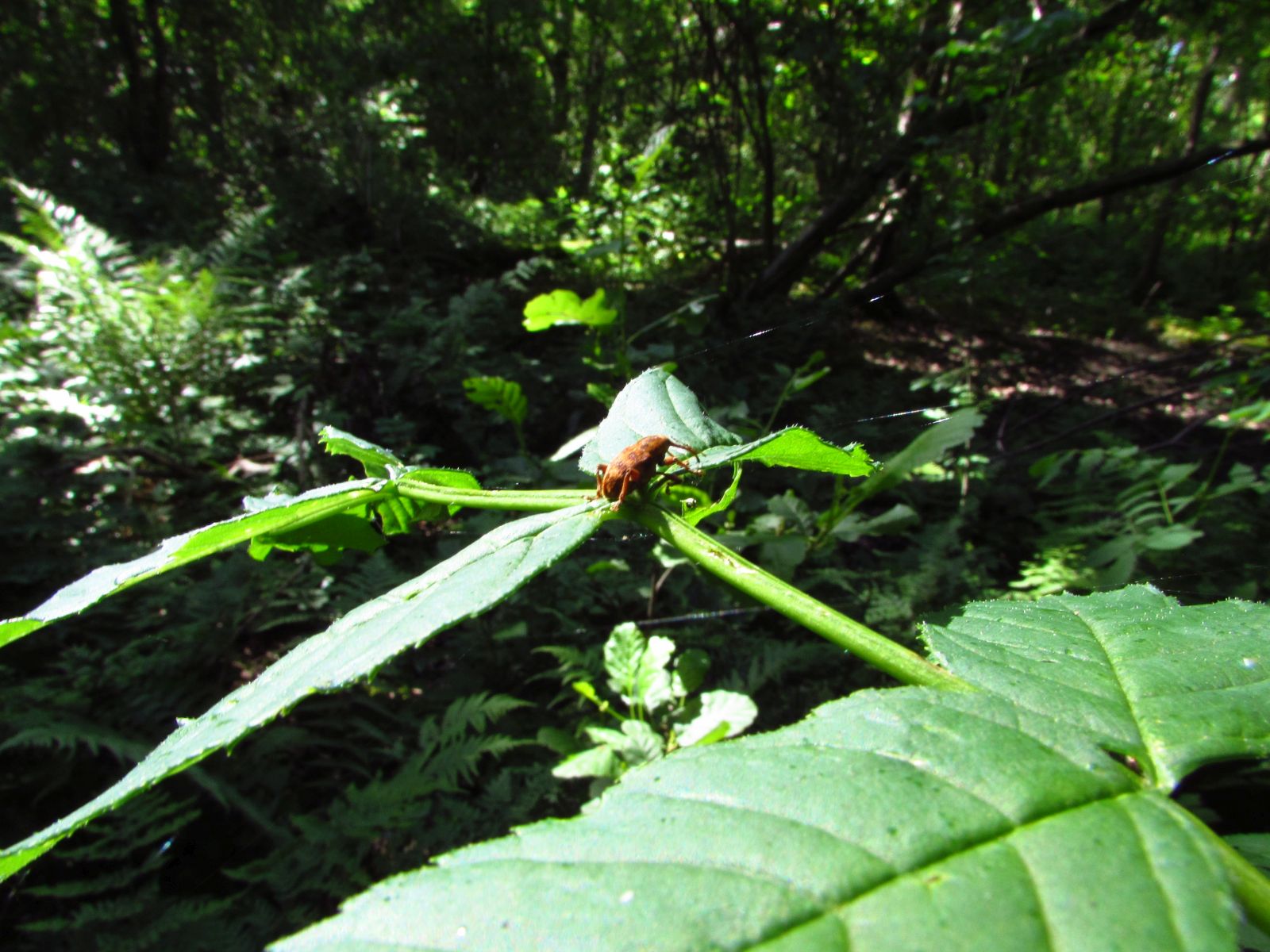
Nut Weevil (Curculio nucum

...giving Scotty a nip with its sharp, finger-boring mandibles!

Mr Finger-borer unfortunately took a nose-dive before I could focus for a close up.
   Over to Goat Meadow; a quieter, sheltered area of grassland. This lovely scrubby matrix is a real haven for butterflies and Grass Snakes. 


A few molluscs have made their way here too...

Wandering Pond Snail (Radix sp.)

Brown-lipped Snail (Cepaea nemoralis)

Scotty spent some time sweeping and beating the willow and oak scrub, turning up many interesting things including this funky little micromoth...

Alabonia geoffrella, with its funky, upturned labial palps

And I swept this punky caterpillar...

Vapourer Moth caterpillar (Orgyia antiqua). 
The adult female moths are wingless and emit pheromones to attract in winged males

14-spot Ladybird (Propylea 14-punctata)


A type of treehopper (Centrotus cornutus), one of only two species which occurr in the UK

Glowworm (Lampyris noctiluca) larva, commonly found under the reptile refugia

Scotty then called me over to take a look at this little beauty... 


A lovely little Jewel Beetle (Agrilus sp.)

Jewel Beetles are not very common in this area, so this could be quite an exciting find. We cooed over it for a bit, turning it over in the tube and I popped it back onto the willow leaf to get a better snap. It didn't stick around for long and this was as good as it got...

Agrilus sp. indet. cf.bickerisabloodymindedliberator

On handing Scotty back the empty tube, his face fell... Apparently there are over 3000 species of beetle in this single genus and he needed to check it under the microscope to identify to species level! Ooops.

...Fly, my pretty!