Showing posts with label araneus angulatus. Show all posts

Thursday, 10 September 2015

Dark Knights at Gatwick

Bat activity transect C, Land East of the Railway Line, July 11th 2015

It has felt like a good year for bats around our biodiversity sites, with lots of exciting acitvity monitoring by Laurie Jackson, Martyn Cooke and volunteers from Surrey Bat Group. We've been using 3 different survey methods here: activity surveys (walking set routes called 'transects', with bat detectors and recording equipment); trapping surveys (with Martyn's harp traps, loud speaker and bat call software system); and box checks (annual checking and cleaning of our woodland bat boxes).

Powerline Ride at dusk, Horleyland Wood

Although rarely seen, bats actually make up around a third of UK mammal species and so are a significant players in our ecosystems. Also being insectivores, they are directly affected by any crashes in invertebrate populations and are great indicators of our countryside's overall health.

Bat box recorder and logger 

Bat logger live sonogram image

This recording equipment is all a bit beyond me, but Martyn Cooke (who also works in air traffic control at Gatwick) loves his tech and is a dab-hand at collating and translating this data.

Measuring the forewing of a Common Pipistrelle.
(To handle bats, you must be trained and hold appropriate licenses.)

Weighing a Pip in a cup

The biometric data collected includes the species type (some can only be identified by close examination in the hand), weight, sex, rough age, breeding condition and general health of the individual. I need to check again with Martyn, but I think we are up to 10 different species of bat recorded at Gatwick.

Assessing wing joints and bone ossification to gauge the age.

This health check might look pretty intrusive for a bat, but they are only kept for a few minutes before they are released back out into the night.

Common Pipistrelle (Pipistrellus pipistrellus)

Brown Long-eared (Plecotus auritus)

Bats face many threats due to extensive habitat loss and fragmentation from development, as such they are all protected by UK and European law. You might associate bats with roosting happily in buildings, but they really need natural features such as grasslands, hedgerows and woodlands to hunt and forage in. The monitoring and conservation efforts led by organisations such as Bat Conservation Trust are of vital importance to conserve the UK's bat species. 

Get out of here, you.

Its not always deemed socially acceptable to be out in the woodlands after dark. but this bat work gives us special licence. Its also great to see and hear all the other wildlife out and about our biodiversity areas on warm summer evenings:

Light Emerald Moth (Campaea margaritaria)
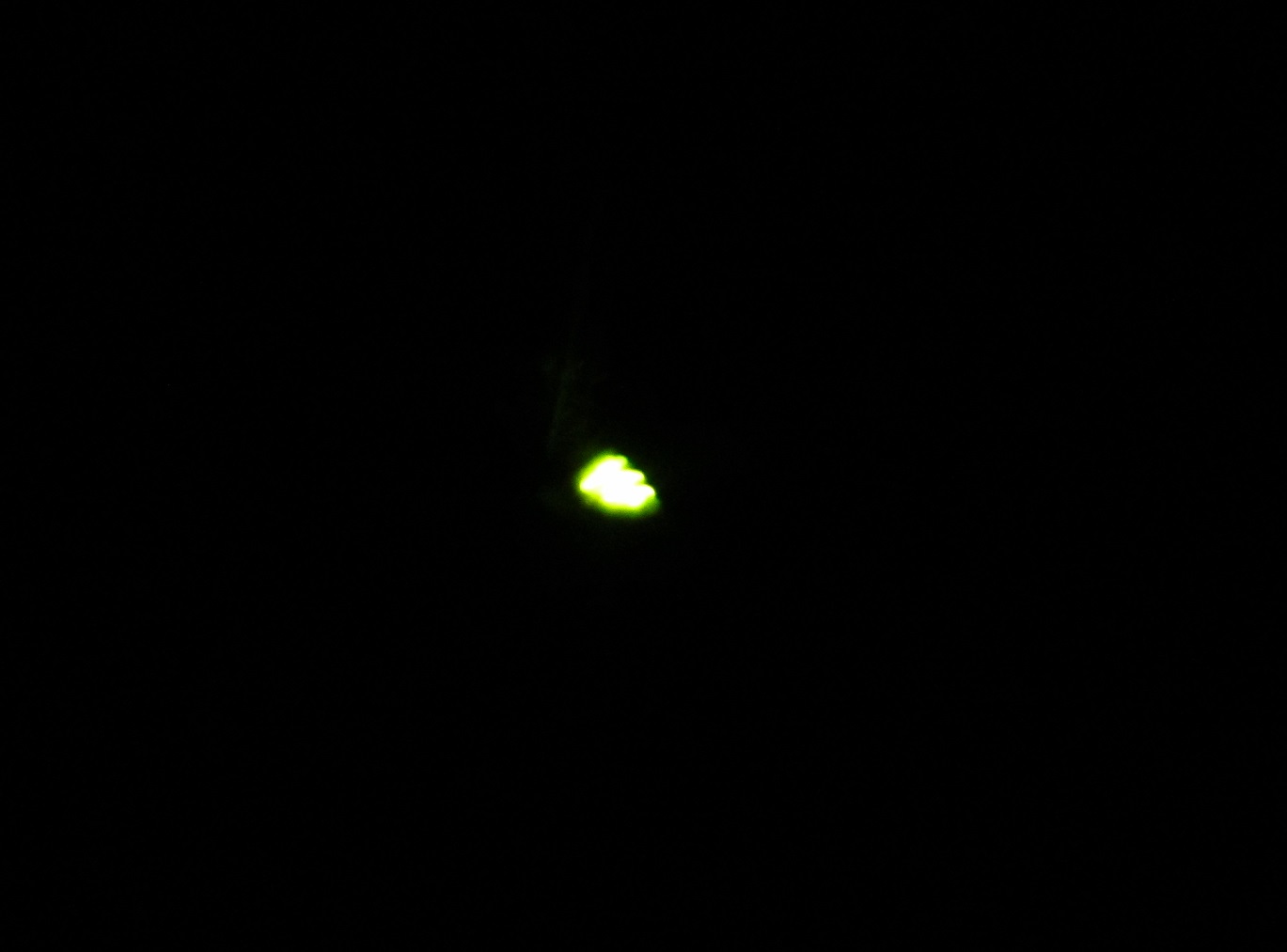
Glow Worm (Lampyris noctiluca), female

Photo with flash reveals that a Glow Worm is a large beetle

We often hear the strange hoarse squeaks of juvenile Tawny Owls, which sound like their voices are breaking...
Plus a rather impressive (and one of my favourite) species we have resident in our woodlands...

Araneus angulatus male, a rare spider in the UK, restricted to the southern counties

To learn about monitoring bats in your area, why not check out your local bat group.

Friday, 2 August 2013

Arachnophilia

On Wednesday July 10th I accompanied entomologist Scotty from Surrey Wildlife Trust (and dog Ro), on an invertebrate survey at Gatwick's woodlands in the Land East of the Railway Line. Our window of good weather held out and the conditions seemed ripe.

Scotty and Ro, Upper Picketts Wood

A type of Mirid bug (Grypocoris/Calocoris stysi)

Yellow Shell moth (Camptogramma bilineata)

Two weevils (Cionus tuberculosus) copulating on Figwort flowers

Canis lupus familiaris

We began at Upper Pickett's wood, with Scotty sweeping the different stands of vegetation and making lists of any beasties lacking in backbone. I was probably less useful than Ro, getting distracted by the big and showy, then obsessively playing with camera settings. 

Searching for amphibious invertebrates in the 'drawdown zone' of a pond

Scotty however worked hard; examining with the hand-lense, identifying things down to the species level and potting any 'uncertains' for further microscope identification. The guy is ridiculously knowledgeable and able to combine a penchant for a glass of red in the evening with sorting through a plethora of bug samples. He also happens to be one of the (now infamous) pan-species listers and is currently 10th seed in Mark Telfer's Rankings

A common type of ground beetle (Abax parallelepipedus)

Pootering up tiny specimens after sweeping the vegetation

(Cordylepherus/Malachius viridis) - this little Malachite beetle 
puffs out red cheeks when feeling defensive

An impressively large Longhorn beetle (Rutpela maculata)

 
A nymph of the Ant Damsel Bug (Himacerus mirmicoides).
This little guy mimics an ant, and why not?

A lot of the things we were finding were rather 'samey', and over half way our collective enthusiasm was starting to flag. It turns out that despite the good weather, this was not actually a very diverse day for invertebrates!

Mirid bug again, navigating my abundant arm hair

Most dull catch of the day: Speckled Bush-cricket nymph (Leptophyes punctatissima)

We continued on into Lower Picketts Wood and the Woodland Strip, encountering many, many more of the same species before finally entering Horleyland Wood. Then in the distance, half-way along the ride adjacent to the power line, I spotted a very large web which then turned up our find of the day...

Warning: True arachnophobes may want to reconsider reading past this point!
............
...........
.........
.......
.....
...
..
!

Araneus angulatus - A pretty awesome find in terms of UK spiders. 

This brilliant beast was balled up on the flower stem of a Foxglove, doing an amazing job of resembling an old seed pod. She sat obligingly still and I got all up in her face for the close-ups. Scotty recognised this type of Orb-weaver spider as a notable species... and another 'tick' for his list!

A spidery trick - only it failed slightly due to the seed pods having all fallen off the stem

Araneus angulatus - this species belongs to the group of Orb-weaving spiders

The large 'tubercles' and patterning on the abdomen makes it very distinctive

Invertebrates form the base of many foodchains and ecosystem functions, such as the pollination of plants and the consumption of animal waste. We definitely take these little guys for granted, so it is worth aiming some of our habitat management techniques to suit a diversity of invertebrates. Some of this is as simple as leaving fallen deadwood where it lies, or letting a dead tree remain standing where it is safe. 

At the end of this massively enjoyable day I quite literally felt I had 'caught the bug'. Here are some other snaps I took on the day of spiders, probably my favourite group of invertebrates...

The sputnik-like egg case of a type of Comb-footed spider (Paidiscura pallens)

A tiny little Comb-footed spider (Paidiscura pallens), ferociously guarding her egg case

Nursery Web spider (Pisaura mirabilis)

Another species of Comb-footed spider (Enoplognatha ovata)

A beautifully patterned Stretch Spider (Tetragnatha spp.)

All of these idents are courtesy of Scotty (except for where they are wrong because I have botched them.)