Showing posts with label Tom Forward. Show all posts

Monday, 19 December 2016

Early winter bird surveys 2016 (Part 2)

North West Zone grasslands

The survey start-off was signaled by a group of 9 Pied Wagtail, which must have just emerged from their communal roost. Plenty of Reed Bunting and Wren were calling around the River Mole reed beds, and the occasional Song Thrush giving a high-pitched 'tseep'.

Snipe explosion / spontaneous combustion

After yesterday's survey Snipe joys, this ominous pile of Common Snipe feathers is a bit of a sorrowful sight. Still, there is a good population around at the moment and the Sparrowhawk (presumably the culprit) has got to feed too.

We stopped in our tracks as we got closer to the reed beds, scratching our heads over this one call...
For a moment there we couldn't put our finger on it. However, later on and further downstream, we heard the more familiar, squealing cry...
Water Rail is the weirdest thing you will hear along the River Mole (except maybe for Tom Forward's imitation of a Water Rail).

Water Rail (Rallus aquaticus). RSPB

A pair of Common Buzzard called to each other, one gliding towards the woodland with a Carrion Crow in wing-flapping pursuit. On the far side of the river, along the woodland strip, we scanned the gorse and bramble scrub for any movement...
   Luke then spotted a new species for the Gatwick surveys!

Stonechat (Saxicola torquata) male. RSPB

Stonechats are a stunning little bird, slightly smaller than a Robin. Its name comes from the call which sounds a bit like two pebbles being bashed together. The pair we saw are probably temporary winter visitors to our sites.


A scatological interlude to look at some mystery poop...


Too small for Fox, but containing lots of fur... A Stoat or a Mink perhaps?

The tell-tale cigarette ash poo of Green Woodpecker

Mistle Thrush made their machine-gun calls as they shot past overhead. Fieldfare were the loudest though; I love how they sound on the verge of hysteria.

Fieldfare (Turdus pilaris) RSPB

In the north of Brockley Wood, Chaffinches were calling loudly; it makes a nice change as we are usually a bit light on finches here. A flock of Redwing were busy in the understory and a Coal Tit called from the canopy.


As we rounded the bend on the river, two Roe Deer stood motionless only meters away. Just a little further along, the gang caught a view of a top predator - Sparrowhawk! Unfortunately, I was too busy predating on rich tea biscuits and missed it.


Towards the end of the transect we were closer to the tree line; Ring-necked Parakeets started up their cry, disturbing another Common Buzzard. A lonely Little Egret took off downstream in lumbering flight. Although we didn't find Katherine a promised birthday Kingfisher, we did get a lovely Grey Wagtail zip along the river and land up next to us. 
   We start with wagtail, we finish with wagtail.

Winter shrubs: Bramble, Field Rose, Gorse and Spindle

Our species list from the day; 37 is a new record I think! Our total species recorded on our timed transects at Gatwick since 2012 stands at 79.

1
Blackbird
Turdus merula
2
Blue Tit
Cyanistes caeruleus
3
Bullfinch
Pyrrhula pyrrhula
4
Buzzard
Buteo buteo
5
Carrion Crow
Corvus corone
6
Chaffinch
Fringilla coelebs
7
Coal Tit
Periparus ater
8
Dunnock
Prunella modularis
9
Fieldfare
Turdus pilaris
10
Goldcrest
Regulus regulus
11
Great Spotted Woodpecker
Dendrocopos major
12
Great Tit
Parus major
13
Green Woodpecker
Picus viridis
14
Grey Wagtail
Motacilla cinerea
15
Jackdaw
Corvus monedula
16
Jay
Garrulus glandarius
17
Kestrel
Falco tinnunculus
18
Little Egret
Egretta garzetta
19
Long-tailed Tit
Aegithalos caudatus
20
Magpie
Pica pica
21
Meadow Pipit
Anthus pratensis
22
Mistle Thrush
Turdus viscivorus
23
Pied Wagtail
Motacilla alba subsp. yarrellii
24
Redwing
Turdus iliacus
25
Reed Bunting
Emberiza schoeniclus
26
Ring-necked Parakeet
Psittacula krameri
27
Robin
Erithacus rubecula
28
Rock Dove
Columba livia
29
Roe Deer
Capreolus capreolus
30
Song Thrush
Turdus philomelos
31
Sparrowhawk
Accipiter nisus
32
Stock Dove
Columba oenas
33
Stonechat
Saxicola rubicola
34
Treecreeper
Certhia familiaris
35
Water Rail
Rallus aquaticus
36
Woodpigeon
Columba palumbus
37
Wren
Troglodytes troglodytes

Common Snipe (feathers)

Friday, 9 December 2016

Early winter bird surveys 2016 (Part 1)

Land East of the Railway Line: December 8th


Dawn breaks over the Gatwick Stream, and Tom Forward is about to have a date with destiny...


Actually, the date is with a Snipe, but this is not just any old Common Snipe (although we did see 7 of those); it's a little bit scarcer than that. He wanders along the wet flushes, keeping out a sharp eye...


A sudden burst of wings from the ground and it's off like a shot - a Jack Snipe! Another new record for our bird list at Gatwick.

Jack Snipe (Lymnocryptes minimus) RSPB

Common Snipe (Gallinago gallinago) RSPB

Much quieter than Common Snipe, the Jacks have a shorter bill and are a shorter, dumpier bird in general. The Common types will shoot off up into the air before you can get close, but Jacks can hold on until you almost step on them, then dropping onto the ground again after a short, low flight.
  A small flock of Meadow Pipits bounced past us through the air, and a Grey Wagtail descended rapidly down into the river channel.

 
Our next new discovery for this site is a Barn Owl roost in our 'Little Owl-Oak'. Not sure if the little-er owls would think much of their new neighbour....

White wash (owl wee) on the tree above what might be the Little Owl nesting hole

Barn Owl pellet

Poking our heads over the bank of the Gatwick Stream by the sluice gates, and were surprised to see a dark, sleek mammal gamboling in the water. American Mink are insatiably curious and this one actually came towards us, then hid in a small clump of rushes to check us out.

Not much of a photo of course.
How to tell apart Otter and Mink - a handy Wildlife Trust fact sheet.

Dashing back over grasslands to the next transect, and we were stopped in our tracks by a pair of Kingfishers zooming low over the grass. Although strongly associated with water courses, they are known to sometimes cut corners and even head into woodland habitat to do so. Hey, I would too!


Into the woods and a flock of Redwing were busy foraging in the understory. Winter thrushes vary what height they forage at depending on available food source. Towards the end of winter they feed more on the ground.

More white-wash beneath a mature oak - favored perching point for a Common Buzzard?


A Song Thrush sang from a distant hedgerow. A Wren and Robin were also in song; only a few birds do this through winter.
   At Dunnock corner, there were constant loud calls which signified the usual debauchery. They always seem to get louder in winter, kind of like my own family. I guess domestic drama helps to keep small birds warm. I still get Dunnock and Kingfisher calls mixed up, which after 4 years of these surveys Tom F. must be getting fed up with.


Through the woodland strip and out into Lower Picketts Wood, mixed flocks were abound of Long-tailed Tits, Blue Tits and Goldcrests. We checked a little closer through the binoculars but sadly couldn't turn any of them into a Firecrest. At the end of the transect, our trusty Treecreeper finally called.


The final species count for the morning was 33 (not 34, as I only recorded Common Buzzard when I returned to site at the end of the day):

1
Blackbird
Turdus merula
2
Black-headed Gull
Chroicocephalus ridibundus
3
Blue Tit
Cyanistes caeruleus
4
Bullfinch
Pyrrhula pyrrhula
5
Buzzard
Buteo buteo
6
Canada Goose
Branta canadensis
7
Carrion Crow
Corvus corone
8
Coal Tit
Periparus ater
9
Dunnock
Prunella modularis
10
Goldcrest
Regulus regulus
11
Goldfinch
Carduelis carduelis
12
Great Spotted Woodpecker
Dendrocopos major
13
Great Tit
Parus major
14
Grey Heron
Ardea cinerea
15
Grey Wagtail
Motacilla cinerea
16
Jack Snipe
Lymnocryptes minimus
17
Jackdaw
Corvus monedula
18
Jay
Garrulus glandarius
19
Kingfisher
Alcedo atthis
20
Linnet
Linaria cannabina
21
Long-tailed Tit
Aegithalos caudatus
35
Magpie
Pica pica
22
Mallard
Anas platyrhynchos
23
Meadow Pipit
Anthus pratensis
24
Mistle Thrush
Turdus viscivorus
25
Pied Wagtail
Motacilla alba subsp. yarrellii
26
Redwing
Turdus iliacus
27
Robin
Erithacus rubecula
28
Siskin
Spinus spinus
29
Snipe
Gallinago gallinago
30
Song Thrush
Turdus philomelos
31
Starling
Sturnus vulgaris
32
Treecreeper
Certhia familiaris
33
Woodpigeon
Columba palumbus
34
Wren
Troglodytes troglodytes

American Mink
Neovison vison
Eastern Grey Squirrel
Sciurus carolinensis

Barn Owl (roost)
        Tyto alba

Wednesday, 15 June 2016

Gatwick Goes Wild in 2016

As part of The Wildlife Trusts' 30 Days Wild campaign, the Gatwick Greenspace Partnership held a six-day program of events in early June, engaging airport staff with the wealth of wildlife on their doorstep. Everyone got really stuck in and despite the occasional rain shower, we had rewarding encounters with small mammals, Grass Snakes, Banded Demoiselles, Long-horned Bees and Harvest Mice!

A huge thank you to Tom S., Tom F., Kevin, Lucy, Martyn and Richard for hosting this series of events and to all the volunteers and attendees for making the effort to visit. Below are a few picture highlights from the week....

Day 1. Small mammals and Harvest Mice

The morning was spent checking 10 longworth traps, identifying and releasing the occupants. On this occasion, we only trapped one small Wood Mouse...

Wood Mouse (Apodemus sylvaticus)

The wet weather meant not many insects were out on the wing, but closely checking the vegetation we found things roosting up, trying to keep dry...

A Snakefly! I don't think I've ever seen one of these before. Apparently we have 4 species in the UK

Tree Bumblebee (Bombus hypnorum) clinging on to a Bluebell in the rain

The wildlife was not the only thing caught out by the rain...

Mr Simpson; 'All the gear, no idea!'

Afternoon:


Lucy's talk with the Harvest Mice in Gatwck's offices went down very well, although the journey to the meeting room took a little longer than we anticipated...

Erm, which way to departures?

In the meeting room at Gatwick's South Terminal offices

Lucy is an animal keeper and charismatic speaker at the British Wildlife Centre, who kindly gave up her free time to visit us with her captive-bred Harvest Mice. These little guys will be released into the wild once they are fully grown.

Harvest Mice (Micromys minutus)


Day 2: Family bushcraft day

Tom Simpson has a secret forest school, hidden away in Goat Meadow, land east of the runway. We were invited to visit his site, tracking the wildlife and learning how to build a safe and sturdy shelter for protection from the elements... 


Tree leaf identification

A little moth caught by young Oliver - the Common Tubic (Alabonia geofrella)

Roe Deer tracks (Capreolus capreolus)

The super-shelter was constructed in the nick of time, as it began to pour down with rain!


By the afternoon, even the interior was being well insulated! But what good is a shelter without a flag? 

Leaf-printing with natural materials

Some sort of semaphore system?

As a final reward at the end of the day, we found this sleepy curled-up Grass Snake under a refugia...

Grass Snake (Natrix natrix) with the distinctive bright yellow collar

Day 3: Riverside Walk

 A short walk away from the South Terminal, we met up with Tom Forward at Riverside Garden Park. We examined the contents of the moth trap Tom had placed out the previous evening, then took a quick stroll to see what else might be hiding out in the nearby grasslands...


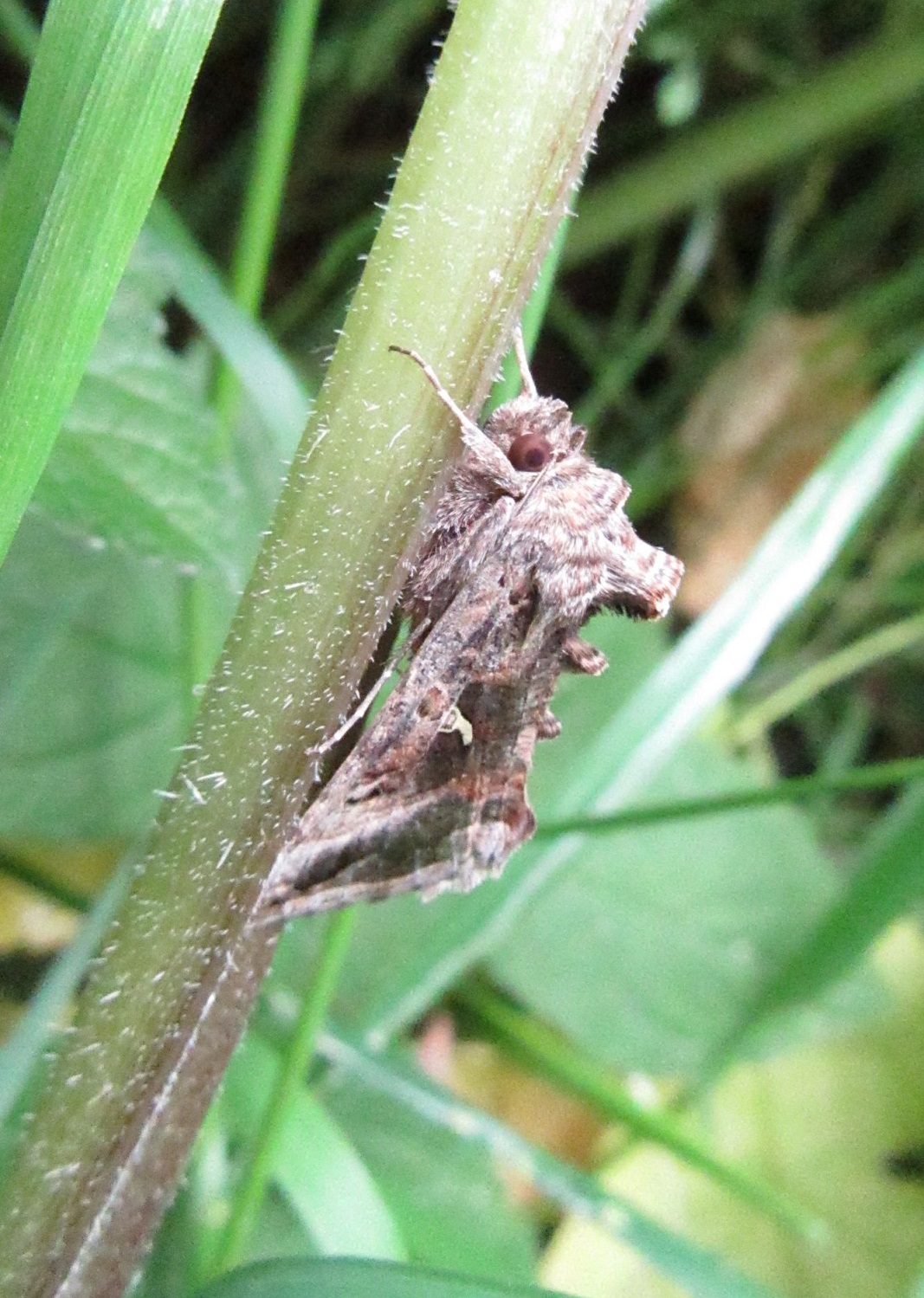
Silver Y moth (Autographa gamma)

Tom does an excellent Kingfisher impersonation (the call that is, not the flight)

Banded Demoiselle (Calopteryx splendens) male

One of our most colourful bumblebees - Early Bumblebee (Bombus pratorum) male


Day 4: Even more mammals

The camera trap from the night before brought us some lovely footage of a male Roe Deer...


Over to the traps. and this time we had caught 4 different species of small rodent - Wood Mouse, Yellow-necked Mouse, Short-tail Vole and Bank Vole.

Short tailed Vole (Microtus agrestis)

Yellow-necked Mouse (Apodemus flavicollis)

...and at lunchtime there was more Harvest Mouse action in the Gatwick meeting rooms


Even local celebrity TinyBirder had heard about it and came to see for himself...


Afternoon: Bat box checks

We had a fantastic walk through the River Mole woodlands, accompanying Kevin Lerwill and local bat ecologist Martyn Cooke as they checked the new bat boxes.


Woodland birds were in full song, and the ground flora was rich with ancient woodland indicator species.

Early Purple Orchid (Orchis mascula)

Bat box on an Oak tree


We were incredibly fortunate to be able to see a Soprano Pipistrelle in the hand; great confirmation that our bat boxes are being put to good use! 

Soprano Pipistrelle (Pipistrellus pygmaeus)

Saturday & Sunday: BeeWalk Training


Richard Comont from Bumblebee Conservation Trust (BBCT) visited us again a year on, delivering another weekend of Bumblebee identification training. Richard is a brilliant entomologist and another Pan-species Lister, so it's always a privilege to spend time out in the field with him.


This very popular course is run by the BBCT for free each year, at different locations around the UK...

Destinations Place, South Terminal Offices

In the afternoon we nipped over to the River Mole site, and luckily for us the weather was warming up...


Early Bumblebee (Bombus patorum) on Common Spotted Orchid (Dactylorhiza fuchsii)

Buff-tailed Bumblebee queen (Bombus terrestris)


Another cool find was this Rhinoceros Beetle (Sinodendron cylindricum)

We were also lucky to be able to provide Richard with a new tick for his life-list; Gatwick's very own Long-horned Bees!  


Long-horned Bee (Eucera longicornis)

Truly one of the best weeks I've ever had at work, I really hope it was as much fun for everyone else!